
Chandler housing · 2026
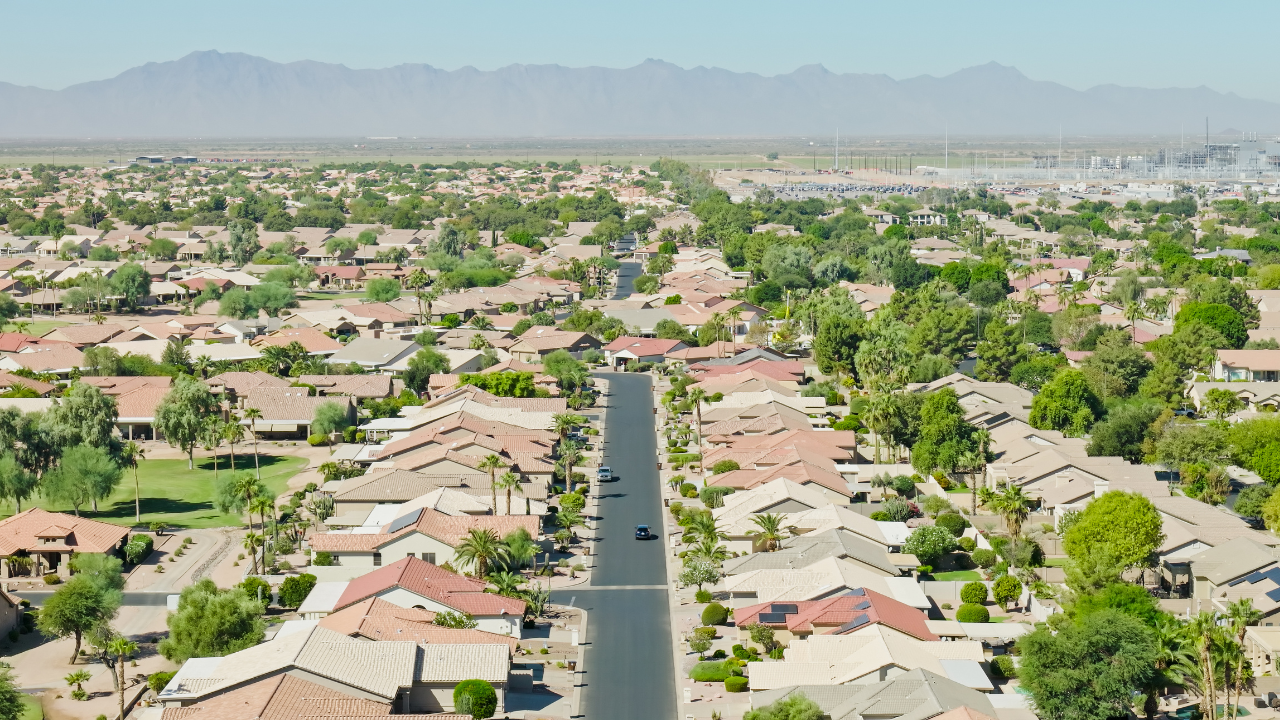
Chandler is running short of vacant land for large new subdivisions. That does not mean new housing stops. It means more of the conversation is shifting to smaller sites, redevelopment, and a broader mix of homes within the city’s existing footprint.
Quick answer
What is Chandler doing about housing affordability and missing middle homes in 2026? With most land already developed, the city’s voter-approved General Plan emphasizes infill and revitalizing existing areas. Downtown plans consider smaller housing types, and the city is pursuing affordable housing projects. These efforts may broaden choices, but they do not guarantee lower prices or a specific number of homes.
Why Chandler’s remaining land matters
In a February 2025 planning update, the City of Chandler reported that it was 94% built out, with 832 acres of vacant land remaining. About 70% of that remaining land was planned for nonresidential uses. Those figures explain why the city is paying closer attention to infill, redevelopment, and mixed-use opportunities.
94%
Of Chandler reported built out in the city’s 2025 planning update
832 acres
Vacant land reported in that update
About 70%
Of the remaining land planned for nonresidential uses
Source: City of Chandler, February 7, 2025. Land-use designations and available acreage can change.
Infill means developing a vacant or underused site within an already developed area. Redevelopment can also replace or adapt an existing use. Both approaches bring different questions from a large subdivision: what can fit on a particular parcel, how it connects to nearby streets and services, and whether a project can be financed and approved.
If you have been looking for a new home in Chandler, the land numbers help explain why your choices may look different from new construction farther out in the East Valley. They do not mean every remaining parcel is unavailable for housing or that no new homes are being built.
What the Chandler 2026 General Plan does
Chandler City Council adopted the updated General Plan in February 2026. Voters ratified it on July 21, 2026, with 83.94% voting in favor of Proposition 415. The plan guides the city’s decisions about land use, housing, transportation, economic development, and other long-term needs.
Because outward expansion is limited, the update puts more emphasis on infill and revitalizing aging commercial areas. Downtown planning materials also discuss adaptive reuse, mixed-use development, and a range of housing types. Chandler held a Downtown Developer Summit in January 2026 to present infill opportunities to potential developers.
A plan is a framework, not a construction schedule
The city says the General Plan update does not itself change a property’s zoning. An individual proposal still depends on its site, applicable rules, approvals, financing, and a developer willing to build it.
What “missing middle” housing means
“Missing middle” describes home types between a detached single-family house and a large apartment building. Depending on the location and rules, that can include duplexes, triplexes, fourplexes, townhomes, or other smaller-scale buildings. Chandler’s downtown planning materials specifically discuss middle housing and a wider range of residential forms.
A smaller home or different building type can give buyers another option, but missing middle does not automatically mean affordable. The eventual price depends on the site, construction costs, ownership structure, and market conditions. Likewise, an affordable rental with income restrictions is different from a market-rate townhome offered for sale.
If your budget is shaping your search, start with the complete cost of ownership: price, financing, taxes, insurance, and any association dues. Donna’s article, The Truth About Affordability Today, offers more context for that conversation.
What is happening near Downtown and Southside Village?
The city has identified vacant city-owned and privately owned sites in and around historic Southside Village as possible housing and redevelopment opportunities. It has also discussed working with affordable housing partners and private developers on city-owned properties near Downtown on a case-by-case basis.
Southside Village has a distinct history, and the city has called for continued neighborhood engagement as future housing options are considered. A proposed site or concept should not be counted as a completed home or an available listing.
One completed example of the city’s broader affordable housing work is Villas on McQueen. Chandler announced the opening of this 157-unit rental development in June 2026. It replaces 78 older public housing units and adds 79 affordable units. It is a rental project with eligibility requirements, not a new for-sale townhome community.
The draft also mentioned a developing “Legacy Owner Academy” concept to help owners of long-held parcels understand development options. Public reporting described it as an emerging education and mentorship idea. Buyers should not treat it as a source of homes currently for sale or assume it will produce a particular price point.
What Chandler buyers can do now
If Chandler is your preferred location, compare the homes available today rather than waiting for a proposed project with no confirmed completion date. Resale homes, existing condos and townhomes, and any active new construction may have different financing, maintenance, and association costs.
- Set a comfortable monthly-payment range with a lender before narrowing your search.
- Compare current listings and recent closed sales in the specific area and price band you want.
- For a condo or townhome, review association dues, rules, insurance responsibilities, and financing requirements.
- For a proposed development, confirm whether it is approved, under construction, or simply being discussed.
New construction can also be worth comparing with resale when it fits your search. See Donna’s guide to the costs and possible incentives for newly built homes. For broader market context, read the mid-year housing market update.
What Chandler homeowners should know
Limited vacant land is an important planning fact, but it cannot tell you what your home is worth or where prices will go. A pricing decision should reflect recent comparable sales, competing listings, property condition, and the terms buyers are negotiating now.
For owners considering a property change or sale, the General Plan is useful background. The applicable zoning, association rules, and details of the individual parcel need a separate review. That is especially true if you are considering adding a unit or responding to redevelopment interest.
Frequently asked questions
Is Chandler completely out of land for new homes?
No. In its 2025 planning update, the city reported 832 acres of vacant land and said about 70% was planned for nonresidential uses. Infill and redevelopment may also create housing opportunities on existing sites.
Did Proposition 415 approve specific housing projects?
No. Voters ratified Chandler’s updated General Plan on July 21, 2026. The plan guides future decisions, but the city says it does not itself change a property’s zoning.
Will missing middle homes cost less than detached homes?
They may offer different sizes and purchase options, but there is no guaranteed price advantage. Compare each home’s asking price, financing, association costs, condition, and location.
AZ Dream Houses · RE/MAX Premier
Let’s look at your Chandler options
Whether you are buying your first home, comparing townhomes with detached homes, or preparing to sell, I can help you review current Chandler listings and recent sales in the areas that matter to you.
Plans, zoning decisions, project timing, prices, and financing terms can change. Proposed housing does not guarantee availability or affordability, and limited land does not guarantee future home-value increases.
Sources
- City of Chandler, General Plan planning update, February 7, 2025.
- City of Chandler, 2026 General Plan and Proposition 415 result.
- City of Chandler, Downtown Developer Summit presentation, January 30, 2026.
- City of Chandler, Southside Village and Washington Street discussion.
- City of Chandler, Villas on McQueen opening, June 10, 2026.
- Chandler Independent, “More public, other housing plans in motion in Chandler”, June 24, 2026.